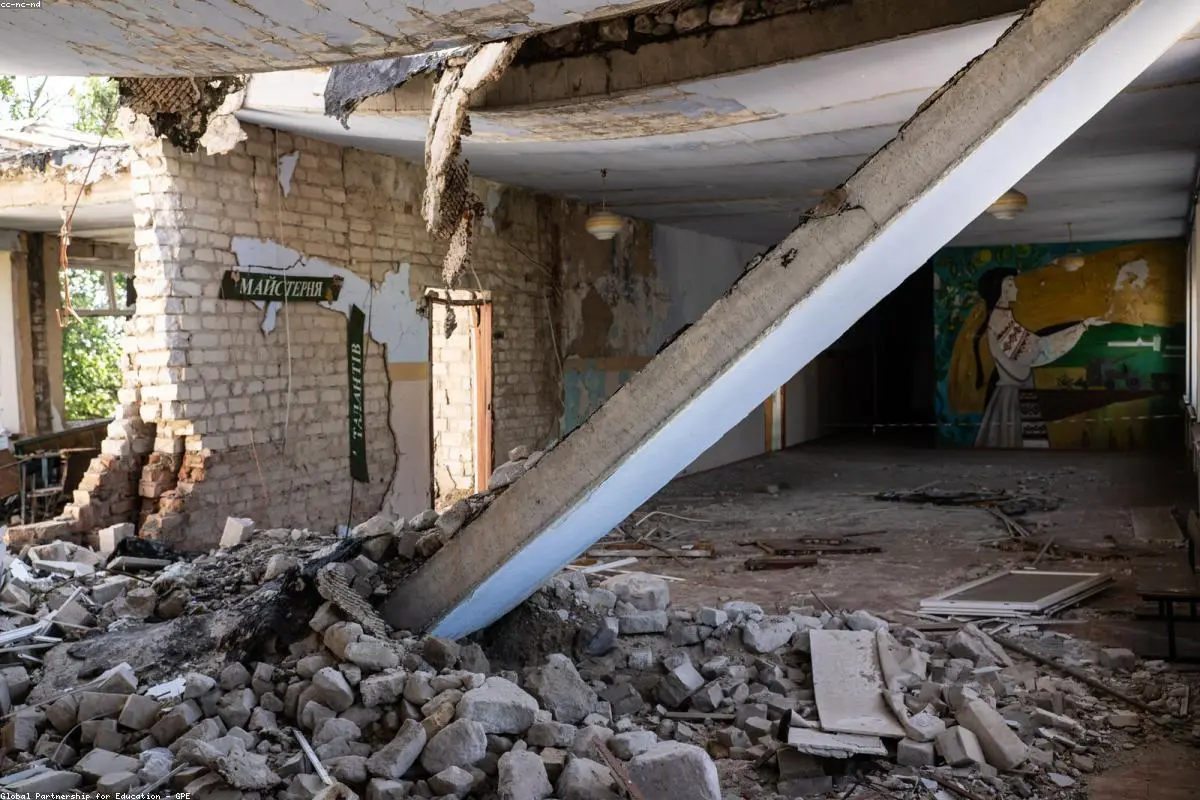
A Morning Shattered by Explosions
The dawn air in Kyiv was thick with more than just the usual morning mist this week. A sudden, violent strike on a major warehouse facility has sent shockwaves through the Ukrainian capital, claiming lives and leaving a trail of destruction that has forced local authorities to initiate emergency evacuations. What was once a hub of logistics and commerce has been transformed into a charred skeleton of twisted metal and rising smoke, serving as a grim reminder of the war’s persistent reach into civilian life.
First responders arrived at the scene to find a situation that was as chaotic as it was dangerous. Firecrews battled secondary blazes for hours as the structural integrity of the building remained in question. This isn't just about the loss of property; the human cost has been immediate and tragic. Early reports confirm several fatalities, with several more individuals rushed to nearby hospitals with critical injuries. The emotional weight on the community is palpable, as families who thought they were far from the front lines find the conflict at their doorstep once again.
The Rush to Safety: Evacuations Underway
Because the warehouse contained various industrial materials, the resulting smoke was not just thick—it was potentially toxic. This environmental hazard, coupled with the threat of unexploded ordnance or follow-up strikes, prompted officials to clear out several residential blocks surrounding the site. For many Kyiv residents, this evacuation feels like a haunting echo of the early days of the full-scale invasion. Families were seen clutching pets and small bags of essentials, their faces a mixture of exhaustion and practiced resilience.
Local community centers have been converted into temporary shelters, but the psychological toll of being displaced—even temporarily—cannot be overstated. "We thought we had found a rhythm of safety here," one resident remarked while waiting for a bus to a displacement hub. The unpredictability of these strikes means that no neighborhood feels entirely beyond the reach of the conflict, a reality that complicates any sense of a return to normalcy within the city.
Strategic Targets or Civilian Terror?
Analyzing the nature of this strike requires looking at the broader International context of the ongoing war. While military spokespeople often claim such facilities are being used for logistical support or equipment storage, the reality on the ground often tells a story of disrupted supply chains for food, medicine, and consumer goods. By targeting warehouses, the aim often seems to be the slow strangulation of the city's economy and the erosion of public morale.
The international community has been quick to monitor these developments. According to reports from the BBC, the strike is part of a broader pattern of intensified aerial campaigns. These actions are often viewed by analysts as a way to pressure the Ukrainian government by making the cost of defense increasingly unbearable for the civilian population. However, history suggests that such tactics frequently have the opposite effect, hardening the resolve of those who remain in the line of fire.
The Logistical Ripple Effect
Beyond the immediate tragedy, the destruction of large-scale storage facilities has a ripple effect on the region's stability. When a warehouse of this size is neutralized, it affects:
- Local Supply Chains: Disruptions in the delivery of essential goods to local markets.
- Employment: Hundreds of workers are suddenly without a place of business, adding to economic strain.
- Emergency Resources: Fire and rescue services are stretched thin, diverting attention from other critical urban needs.
This logistical vacuum creates a secondary crisis that persists long after the fires are extinguished. International aid organizations are now looking at how to bolster urban resilience in the face of such targeted infrastructure damage. The challenge remains daunting: how do you protect a city that is as sprawling and active as Kyiv when the sky itself can become a source of peril at any moment?
A Global Perspective on Urban Warfare
The events in Kyiv are not happening in a vacuum. They are being watched closely by world leaders and human rights organizations who are documenting potential violations of international law. The deliberate or reckless targeting of areas that lead to significant civilian casualties and the forced displacement of residents remains a central point of contention in global diplomatic circles. As the dust settles over the warehouse ruins, the call for more sophisticated air defense systems and increased humanitarian support grows louder.
As we look toward the coming months, the resilience of Kyiv’s infrastructure will be tested further. The city has proven time and again that it can rebuild, but every strike leaves a scar—not just on the map, but on the collective psyche of its people. For now, the focus remains on the survivors and the families of those lost, as a community once again rallies to support its own in the wake of senseless violence.