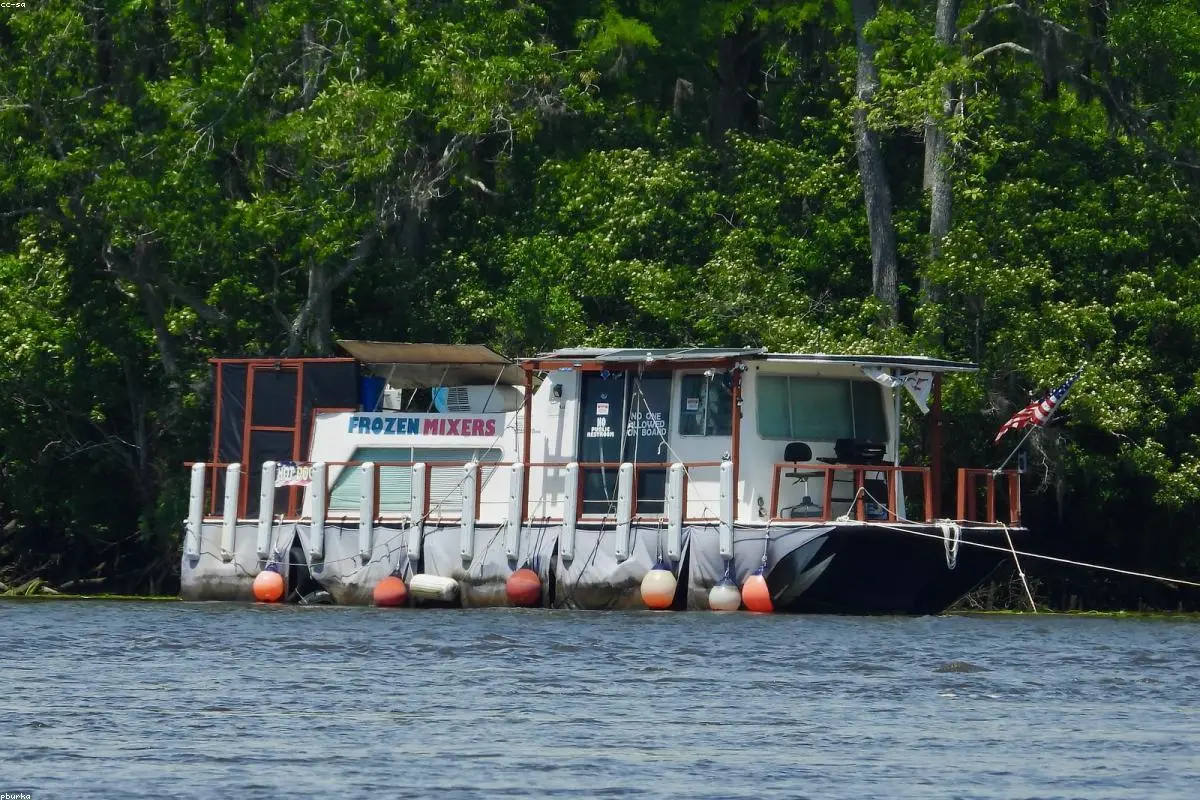
When James and Sarah decided to put their three-bedroom suburban house on the market, it wasn't to buy a bigger yard or move closer to better school districts. Instead, tired of watching their monthly income swallowed up by escalating mortgage payments and energy bills, they opted for something entirely different: a 60-foot narrowboat docked along the Grand Union Canal.
They aren't alone. A growing wave of property owners across the UK and beyond are cashing in their conventional real estate equity to embrace a life on the water. What once seemed like an eccentric retirement choice or a bohemian fringe lifestyle is quickly turning into a pragmatic financial strategy for people across all demographics.
Escaping the Mortgage Trap
The economic drivers behind this trend are hard to ignore. Over the past few years, volatile interest rates and inflation have squeezed household budgets to unprecedented levels. For many, the financial payoff of selling a conventional home offers instant relief. By liquidating property equity, homeowners can clear high-interest debt and purchase a boat outright, trading decade-long bank commitments for manageable operational expenses.
According to recent reporting by BBC News detailing this growing shift, the desire for financial autonomy is a primary factor driving people away from traditional neighborhoods. As explored in our broader business coverage, alternative living models are increasingly reshaping how modern households manage personal finance and capital investment.
The True Cost of Floating Equity
While swapping a heavy mortgage for a mooring line can sound financially liberating, experts caution that aquatic living comes with its own distinct set of ledger items. Living on the water isn't free from overheads, and treating a vessel like a standard property investment can lead to sharp financial surprises.
- Depreciation: Unlike land-backed real estate, which generally appreciates over time, boats are wearing assets that require continuous maintenance to preserve their market value.
- Mooring Fees: Securing a permanent residential mooring in high-demand urban zones can rival standard rental costs, though continuous cruising offers a far cheaper alternative.
- Upkeep and Fuel: Expenses like hull blacking, engine maintenance, solar panel installations, and winter fuel replace traditional municipal utility bills.
Yet, even when factoring in these maintenance overheads, many boaters report slashing their monthly living expenses by 40% to 60%. The core realization for most is that they are investing in lifestyle quality and cash flow flexibility rather than a traditional appreciating asset.
Remote Work Fuels the Water Movement
Crucially, the rise of flexible work culture has removed one of the major historic obstacles to off-grid living: the daily commute. High-speed mobile networks and satellite internet systems have made it entirely feasible to manage client portfolios, code software, or run e-commerce ventures from a dining table floating down a quiet river.
This technological shift has dramatically altered the demographic profile of water dwellers. Where waterways were once dominated primarily by retirees, young professionals and digital entrepreneurs are now establishing vibrant aquatic communities. They trade fluorescent office spaces for waterfront views, seamlessly carrying their careers along for the voyage.
A Lasting Housing Alternative?
As housing affordability remains a structural challenge across major metropolitan regions, alternative living solutions are no longer viewed as brief anomalies. Selling a conventional house to buy a houseboat is more than an escape from suburban routine; it represents a fundamental shift in how people define financial stability and modern living.
For those prepared to swap square footage for freedom, life on the water offers something increasingly scarce in today's property market: a fresh start built on personal independence rather than compounding debt.