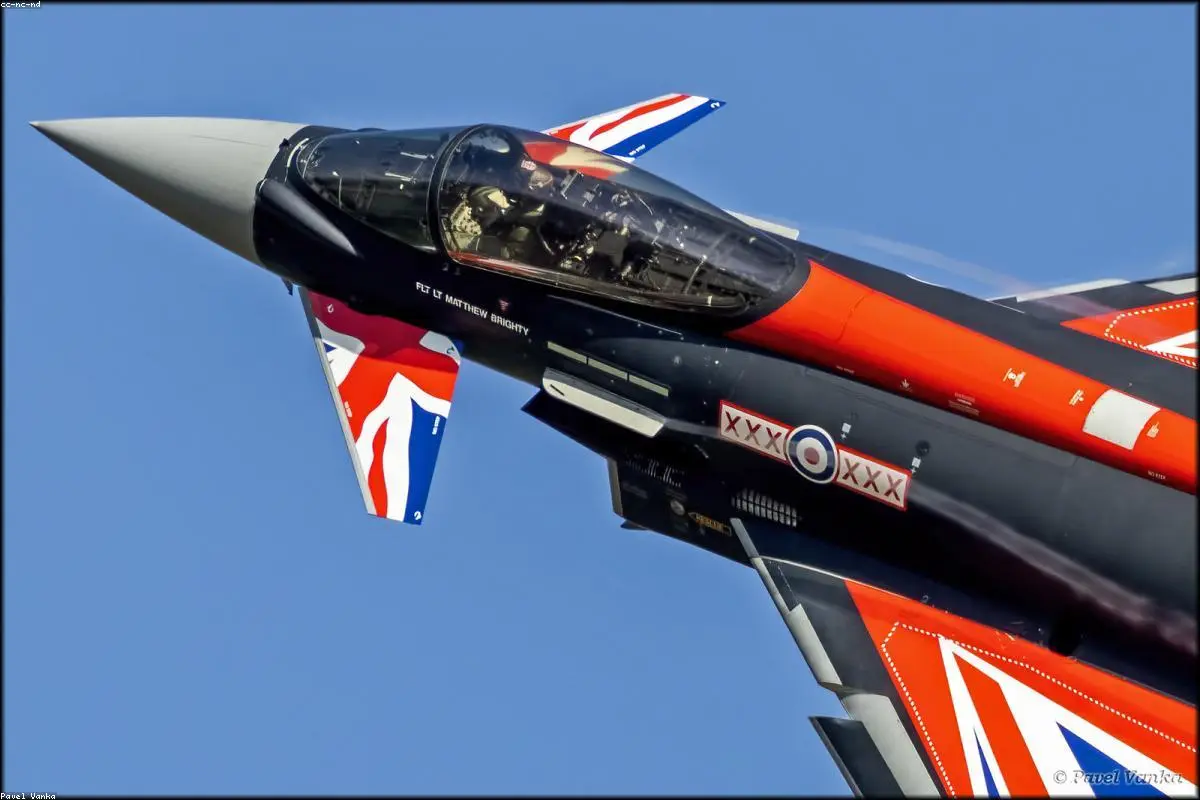
A Strategic Shift on the Peninsula
Military ties between Seoul and Washington have long served as the bedrock of security in East Asia. However, recent developments suggest a subtle yet significant shift in how these long-standing allies conduct their defense preparations. South Korean defense officials have officially confirmed that upcoming joint war games will be shortened following a specific request from the United States.
This adjustment highlights the delicate balance both nations must maintain. While readiness remains an absolute priority, strategic flexibility has become equally crucial in managing complex geopolitical tensions across the region. Observers are closely watching to see how this modification might influence broader foreign policy dynamics and ongoing diplomatic efforts.
Balancing Readiness and Diplomacy
For decades, large-scale military drills like Ulchi Freedom Guardian or similar combined exercises have drawn sharp rebukes from neighboring adversaries, particularly North Korea. Pyongyang routinely labels these maneuvers as rehearsals for invasion, often responding with provocative missile tests or aggressive rhetoric. By trimming the timeline of these exercises, Washington and Seoul may be looking to defuse immediate flashpoints without compromising their defensive posture.
Yet, scaling back operational timelines is never a straightforward decision. Critics within military circles often warn that any reduction in training duration could impact joint combat readiness. Despite these concerns, political leaders appear increasingly willing to prioritize diplomatic signaling alongside traditional deterrence.
Key Factors Behind the Decision
Understanding why Washington requested the adjustment requires looking at the broader picture of international relations and shifting defense priorities. Several elements likely influenced the timeline compression:
- Diplomatic Openings: Creating strategic space for potential renewed talks with regional actors.
- Resource Optimization: Shifting focus toward high-tech, targeted simulations rather than prolonged field maneuvers.
- Allied Coordination: Ensuring both military commands remain perfectly aligned on political and operational objectives.
As initially reported by major outlets like the BBC, the move underscores a growing emphasis on agility over sheer scale. Rather than staging prolonged displays of conventional force, modern defense strategies increasingly favor targeted, adaptable responses to emerging threats.
What Lies Ahead for the Alliance?
Ultimately, the decision to shorten these war games is unlikely to fracture the decades-old alliance. Both South Korea and the United States remain deeply committed to mutual defense and regional stability. However, it does signal a willingness to adapt tactics to meet the demands of a rapidly changing geopolitical climate.
As these modified drills commence, defense analysts will be monitoring whether this temporary schedule change becomes a permanent fixture of alliance management. For now, the focus shifts to how effectively both militaries can maintain peak deterrence within a tighter operational window.