A Region on the Edge
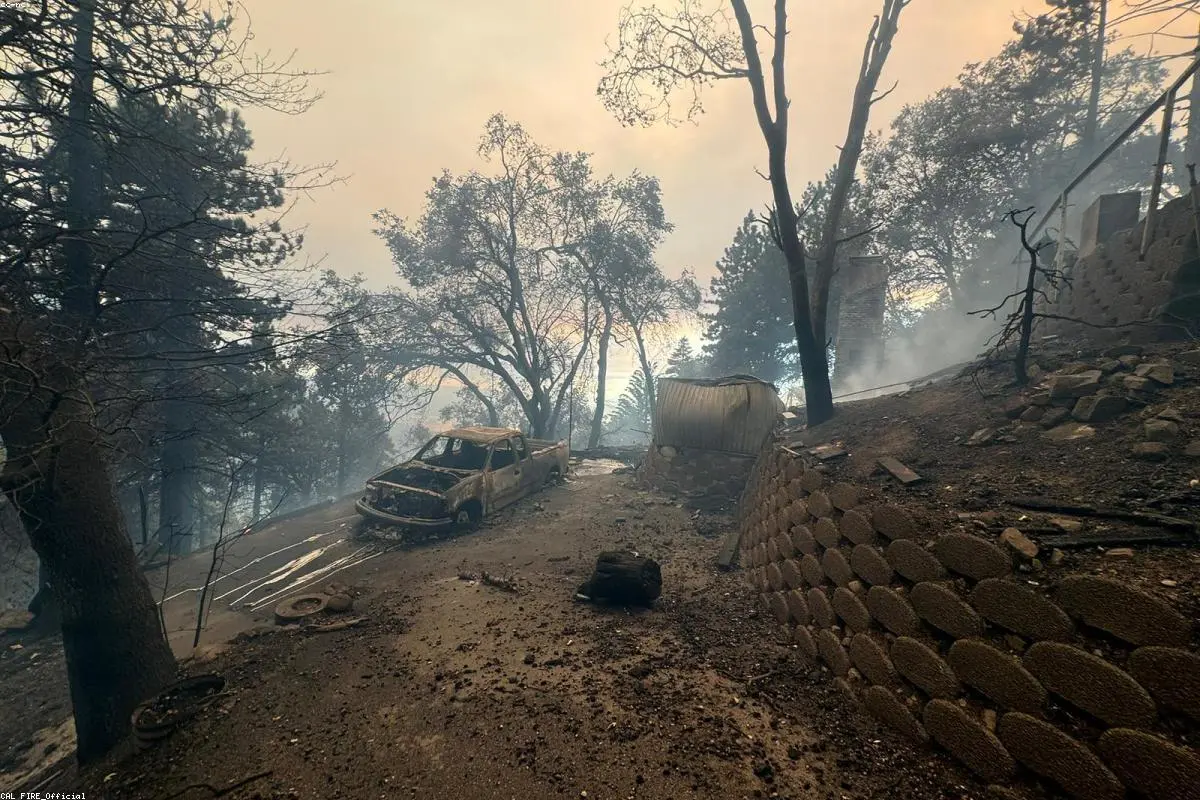
For the residents of southwest France, the smell of pine smoke has become an all-too-familiar omen. Just as the region began to hope the worst of the summer's fire season was behind it, a brutal combination of soaring temperatures and tinder-dry conditions has caused several major blazes to flare up once again. Firefighters, already exhausted from weeks of deployment, are now bracing for a 'canicule'—a heatwave—that is expected to push thermometers past the 40°C mark.
The situation in the Gironde department, famous for its sprawling vineyards and coastal forests, has reached a critical juncture. Authorities have reported that fires which had been contained are now breaking through perimeter lines, fueled by shifting winds and a landscape that hasn't seen significant rainfall in months. This isn't just a localized disaster; it is a stark reminder of the escalating environmental challenges facing the International community as extreme weather becomes the new seasonal norm.
The Return of the 'Monster' Fires
Local emergency services have described the current conditions as a "powder keg." When temperatures hover around 40°C (104°F), the moisture levels in vegetation drop to near zero, essentially turning every leaf and twig into fuel. According to reports from the BBC, the resurgence of these fires has forced fresh evacuations, uprooting thousands of people who had only recently returned to their homes.
What makes these particular fires so difficult to manage is a phenomenon often referred to as 'zombie fires.' Even when the visible flames are extinguished, the intense heat can remain trapped underground in the peat-rich soil. When a new heatwave arrives, these subterranean hotspots can migrate to the surface and reignite the dry brush above. It creates a deceptive environment where a forest that looks safe today could be a wall of fire by tomorrow afternoon.
A Logistics Nightmare for First Responders
The sheer scale of the operation is staggering. France has deployed thousands of firefighters from across the country, supported by water-bombing aircraft and heavy machinery. However, the heatwave brings a secondary danger: pilot fatigue and engine strain. Flying low-altitude missions in 40-degree heat, surrounded by turbulent air and thick smoke, tests the limits of both man and machine.
- Ground Crews: Working in heavy protective gear in extreme heat leads to rapid dehydration and heatstroke risks.
- Resource Allocation: With multiple flare-ups occurring simultaneously, commanders must make agonizing decisions about which structures to save and which zones to concede.
- International Aid: France has previously called upon EU neighbors for assistance, highlighting how these disasters are quickly outstripping the domestic capacity of even the wealthiest nations.
The Economic and Psychological Toll
Beyond the immediate physical danger, the economic impact on southwest France is profound. The Gironde and surrounding areas rely heavily on tourism and agriculture. Campsites that would usually be bustling with summer holidaymakers now stand empty, replaced by fire trucks and command centers. The timber industry, a cornerstone of the local economy, is facing the loss of thousands of hectares of prime maritime pine.
There is also the psychological weight to consider. For many locals, the constant vigilance is draining. Living with a 'go-bag' by the door and one eye on the horizon for plumes of smoke has become a traumatic routine. Community spirit remains high, with many residents providing food and shelter to displaced neighbors, but the underlying anxiety regarding the future of the region is palpable.
Broader Context: A Warming Continent
The events in France are not happening in a vacuum. This latest heatwave is part of a broader pattern of rising temperatures across the Mediterranean and Western Europe. Scientists have pointed out that while wildfires are a natural part of some ecosystems, the frequency, intensity, and duration we are seeing now are clearly linked to human-induced climate change. The 'fire season' is starting earlier and ending later, leaving less time for forests to recover and for emergency budgets to be replenished.
As the mercury rises this week, the focus remains on the immediate preservation of life and property. However, once the smoke eventually clears, the conversation will inevitably turn to long-term adaptation. This includes rethinking forest management, stricter building codes in high-risk zones, and more aggressive climate policy at the international level. For now, the brave men and women on the ground in the Gironde have only one goal: holding the line against the heat.
What to Expect in the Coming Days
Weather models suggest that the peak of the heatwave will last through the end of the week, with little relief expected overnight. Nighttime temperatures are also staying unusually high, preventing the 'cooling' effect that typically allows firefighters to make progress during the twilight hours. The region remains on the highest alert level, and officials are urging everyone—residents and remaining tourists alike—to follow evacuation orders immediately and without hesitation.