A New Era for the Frozen Aisle
For decades, the hardest decision a customer faced at the ice cream counter was choosing between chocolate and vanilla. Occasionally, a rogue strawberry or a handful of chocolate chips would enter the fray, but the boundaries of the frozen dessert world were firmly established. However, a glance at modern grocery shelves reveals a landscape that is unrecognizable to the traditionalists of the 1990s. Today, the industry is caught between two powerful, seemingly contradictory forces: the obsession with functional health and the relentless pursuit of culinary shock value.
According to recent insights into the global business of snack food, manufacturers are no longer just selling sugar and cream. They are selling lifestyle choices. Whether it is a gym-goer looking for a guilt-free post-workout snack or an adventurous foodie seeking the thrill of pickled garlic gelato, the ice cream sector is proving that it is more adaptable than ever. This shift is driven by a mix of viral social media trends and a sophisticated understanding of consumer psychology, as highlighted in a recent report by the BBC.
The Rise of the 'Functional' Pint
The most significant shift in the market over the last five years has been the professionalization of 'healthy' ice cream. No longer a chalky compromise, high-protein pints have become a multi-billion dollar sub-sector. Brands have moved beyond merely reducing calories; they are now fortifying their products with whey protein, fiber, and probiotics. This transition has turned ice cream from a 'cheat meal' into a staple of the wellness routine.
Much of this growth can be attributed to the 'TikTok effect.' The surge in popularity of home appliances like the Ninja Creami has allowed consumers to experiment with their own protein-packed recipes, turning protein shakes into soft-serve consistency. This grassroots movement has forced commercial manufacturers to step up their game. If a consumer can make a 300-calorie, 30-gram protein pint at home that tastes like a milkshake, big-name brands have to innovate to keep their shelf space relevant.
The 'Shock Factor' and Culinary Bravery
While one half of the market is focused on macros and muscle recovery, the other half is exploring the outer limits of the human palate. Enter the era of savory, pungent, and downright weird ice cream. While vanilla remains the global bestseller by volume, 'viral' flavors are what build brand equity in the digital age. Pickled garlic, miso, chili oil, and even charcoal-infused scoops are popping up in boutique gelaterias from London to Tokyo.
Why pickled garlic? On the surface, it sounds like a dare. But from a culinary perspective, the acidity of the vinegar and the earthiness of the garlic can cut through the heavy fat content of premium cream, creating a complex flavor profile that appeals to the 'gourmet' demographic. These flavors aren't necessarily meant to be eaten by the bucketload; they are designed for the experience-driven consumer who treats food as a form of entertainment. In a crowded marketplace, being 'weird' is often a more effective marketing strategy than being 'good.'
Supply Chains and Economic Pressures
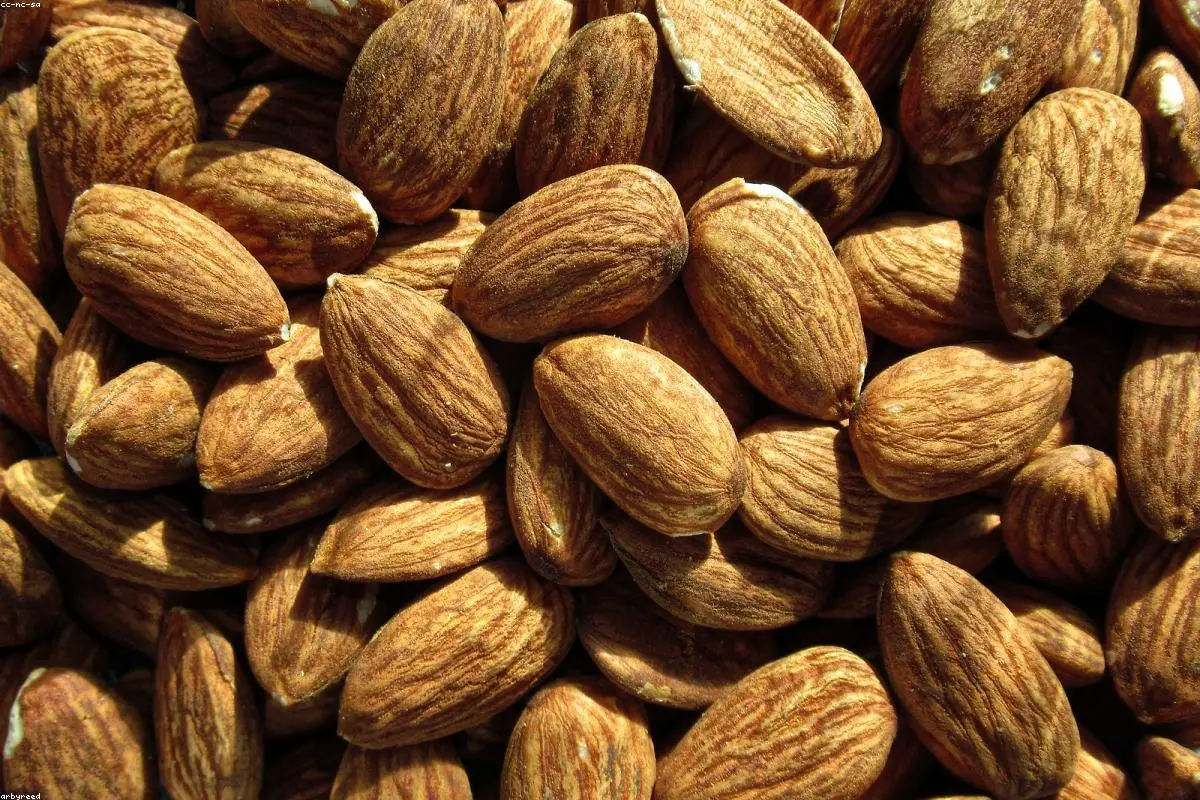
From a business perspective, these innovations are often born out of necessity. The price of traditional dairy and sugar has fluctuated wildly over the last three years, and the environmental impact of cattle farming is under increasing scrutiny. By diversifying into plant-based bases—using everything from oats and almonds to more exotic pea proteins and potato starch—companies are hedging their bets against a volatile traditional dairy market.
Furthermore, the premiumization of ice cream allows for higher profit margins. A standard tub of grocery-store vanilla is a low-margin commodity. However, a 'small-batch' pint of fermented honey and pickled garlic can command a price point three to four times higher. This shift toward niche, high-value products is a classic economic response to rising production costs and a more fragmented consumer base.
What’s Next for the Freezer?
As we look toward the future, the line between 'dessert' and 'meal' may continue to blur. We are likely to see more crossover products—ice creams that incorporate adaptogens for stress relief or caffeine for an afternoon energy boost. The technology behind the texture is also evolving. Scientists are finding ways to replicate the 'mouthfeel' of full-fat dairy using precision fermentation, meaning that 'lab-grown' dairy ice cream could soon be the standard for both the health-conscious and the flavor-chasers.
Whether you find the idea of garlic-infused cream repulsive or revolutionary, it represents a vibrant, surviving industry. Ice cream is no longer just a frozen treat; it is a canvas for biological innovation and culinary expression. The next time you walk down the freezer aisle, don't be surprised if the labels look more like a chemistry lab or a fine-dining menu than a sweet shop. The era of the simple scoop is officially over.