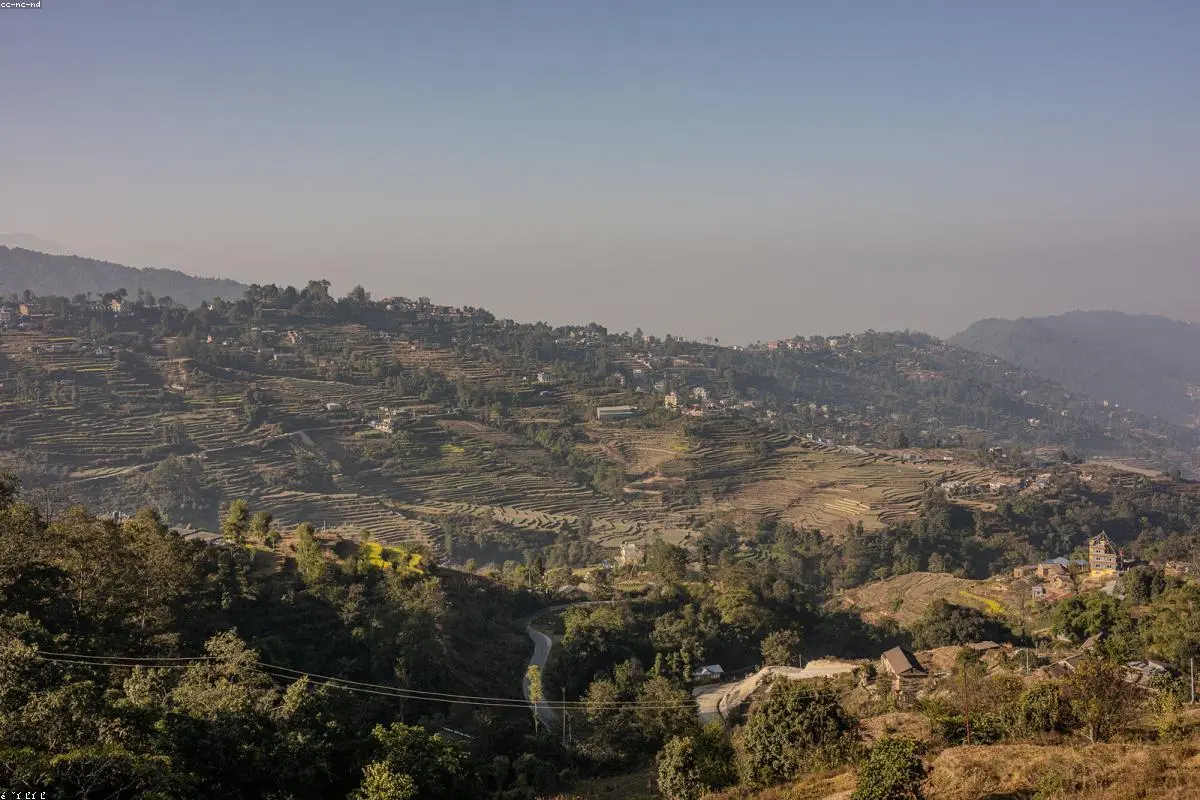
A Region Under Siege
For the residents of the Himalayan foothills, the monsoon has always been a season of both life and anxiety. However, the scale of the recent devastation stretching across the Nepal-Tibet border has surpassed even the most dire warnings. What began as a heavy seasonal downpour quickly transformed into a catastrophic surge of water, mud, and debris, leaving a trail of destruction that has claimed hundreds of lives and reshaped the landscape of the region.
The sheer ferocity of the flooding caught many by surprise. In Kathmandu and the surrounding districts, entire neighborhoods were submerged, while in the high-altitude regions of Tibet, the sudden swelling of trans-boundary rivers sent torrents downstream with little to no warning. This isn't just a story of a bad storm; it is a complex intersection of geography, climate change, and the inherent vulnerability of communities living in the shadow of the world’s highest peaks.
The Perfect Storm: Why This Happened
To understand the scale of this disaster, one must look at the atmospheric conditions that preceded it. This year’s monsoon brought a concentrated burst of moisture-laden air that stalled over the central Himalayas. While Nepal is accustomed to rain, the intensity of this specific event broke records that had stood for decades. In some areas, more than 200mm of rain fell in a single 24-hour period, falling on ground already saturated by a particularly wet late summer.
However, the water falling from the sky is only half the story. As highlighted in recent International news coverage, the steep topography of the Himalayas acts as a funnel. When heavy rain hits these vertical landscapes, it doesn't just soak into the ground; it gains incredible velocity as it travels downward, picking up sediment and boulders. This results in 'debris flows' that act more like liquid concrete than water, capable of crushing reinforced concrete buildings and sweeping away heavy infrastructure.
The Silent Threat of Glacial Lakes
Beyond the immediate rainfall, scientists are closely monitoring the role of Glacial Lake Outburst Floods (GLOFs). The Himalayas, often referred to as the 'Third Pole,' contain the largest reserve of freshwater outside the polar regions. As global temperatures rise, these glaciers are melting at an accelerated rate, creating unstable lakes dammed only by loose rocks and ice. When heavy rain adds pressure to these natural dams, they can burst, sending a 'wall of water' into the valleys below.
While investigations are ongoing to confirm if a specific GLOF event triggered the worst of the recent Tibetan surges, the threat remains a constant shadow over the region. The cross-border nature of these river systems means that a disaster starting in the Tibetan highlands can have lethal consequences hundreds of miles away in the Nepalese lowlands.
The Human and Economic Toll
The statistics are sobering. According to reports from the BBC, the death toll continues to rise as rescue teams reach isolated villages. But the numbers only tell part of the story. The loss of infrastructure has effectively severed the lifelines of thousands. Major highways connecting Nepal to China—vital for trade and the delivery of essential goods—have been washed away in several sections.
Key impacts observed so far include:
- Infrastructure Collapse: Dozens of bridges, many of which were the only access points for remote communities, have been destroyed.
- Agricultural Ruin: Thousands of hectares of farmland, ready for harvest, have been buried under silt, threatening food security for the coming winter.
- Displacement: Families who have lived in their ancestral homes for generations have been forced into temporary shelters, facing an uncertain future as many areas are now deemed too unstable for rebuilding.
The psychological impact is equally profound. For those living in Kathmandu, the sight of the Bagmati River overflowing its banks and entering the city's heart was a terrifying reminder of the fragility of urban planning in the face of nature’s fury.
Looking Ahead: A New Normal?
The tragedy in Nepal and Tibet is a stark reminder that the impacts of climate change are not evenly distributed. High-altitude regions are warming significantly faster than the global average. What were once 'once-in-a-century' floods are becoming regular occurrences. This shift demands a radical rethink of how we approach development and disaster preparedness in mountain regions.
Early warning systems are part of the solution, but they require deep international cooperation. Since many of the rivers flowing through Nepal originate in Tibet, real-time data sharing between China and Nepal is critical. If downstream communities have even a thirty-minute warning, the lives saved could be numbered in the hundreds. Furthermore, 'building back better' must move from a catchphrase to a reality, incorporating resilient architecture and better land-use management to keep people out of the direct path of future flows.
As the floodwaters eventually recede and the mud begins to dry, the recovery phase will begin. It will be a long, arduous process of rebuilding roads and lives. However, the central lesson remains: the mountains are changing, and our strategies for living among them must change just as quickly. The events of this week are not just a local crisis; they are a signal to the world about the volatile future of the world’s highest water towers.