The Hidden Engine of Human Development
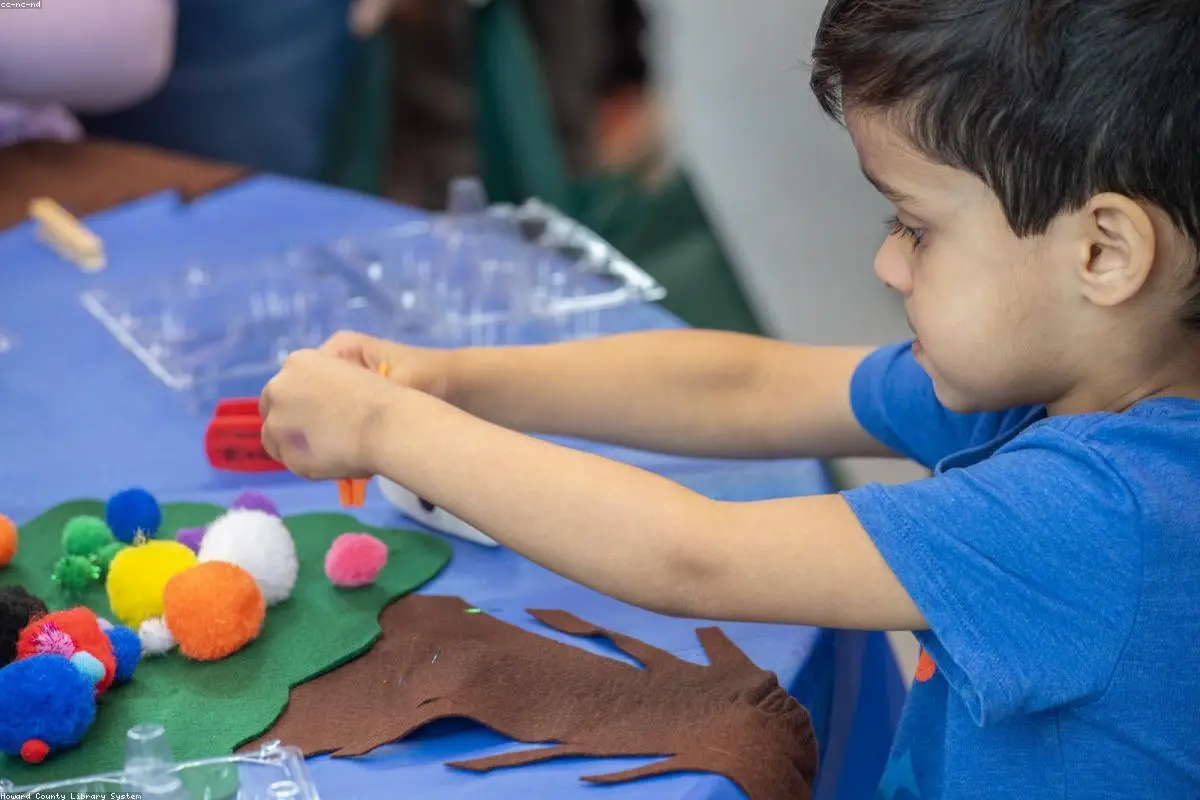
Walk into a high-quality preschool classroom, and you might see what looks like organized chaos: children stacking wooden blocks, painting messy masterpieces, or negotiating over who gets the red tricycle. To the untrained eye, it’s just play. To developmental psychologists and neuroscientists, it is the most intensive period of brain building a human being will ever experience.
Research suggests that roughly 90 percent of brain development occurs before a child even enters kindergarten. During these formative years, the brain is remarkably plastic, forming millions of new neural connections every second. This isn't just about learning to count to ten; it's about wiring the architecture that will eventually support complex problem-solving, emotional regulation, and critical thinking. When we talk about Early Childhood Education (ECE), we are talking about the construction of the foundation upon which every future skill is built.
The Power of Social-Emotional Literacy
While academic skills like phonics and numeracy are important, the real 'secret sauce' of early education lies in social-emotional learning (SEL). In a structured classroom environment, children are forced to move beyond their own immediate needs. They learn the art of the compromise, the value of empathy, and the resilience required to fail at a task and try again.
These 'soft skills' are increasingly recognized as the primary drivers of success in the modern workforce. A child who learns how to manage their impulses and collaborate with peers in a sandbox is far more likely to navigate the complexities of a corporate boardroom or a laboratory twenty years down the line. By fostering a sense of curiosity and self-efficacy, educators ensure that children don't just learn facts—they learn how to learn.
For more deep dives into how pedagogical strategies are evolving to meet these needs, you can explore our dedicated Education section, where we analyze the latest trends in classroom innovation.
Economic Impact and Long-Term ROI
The benefits of robust early childhood programs extend far beyond the individual student. Economists, including Nobel laureate James Heckman, have long argued that the return on investment (ROI) for early childhood education is one of the highest in the public sector. The 'Heckman Equation' suggests that investing in the early years for disadvantaged children can yield a 13% return on investment per child, per year, through improved health, criminal justice, and employment outcomes.
This economic perspective was a central theme at the recent EdWeek Essentials Forum, which highlighted how high-quality ECE acts as a preventative measure against the 'achievement gap.' By providing equitable access to quality learning environments, society can address systemic inequalities before they become entrenched. When a child starts kindergarten behind their peers, catching up is an uphill battle that often requires expensive interventions later in life. ECE changes that narrative from remediation to preparation.
What Does Quality Actually Look Like?
Not all early childhood experiences are created equal. As parents and policymakers look to improve outcomes, the focus has shifted from mere 'access' to 'high-quality engagement.' Experts generally agree on several pillars of effective early education:
- Low Teacher-to-Child Ratios: This allows for individualized attention and the building of secure attachments.
- Play-Based Curriculum: Children learn best when they are actively engaged and pursuing their own curiosities rather than sitting through dry lectures.
- Continuous Professional Development: Educators who understand child development can turn every interaction into a learning moment.
- Family Engagement: Bridging the gap between the classroom and the home environment ensures consistency and support for the child.
The Shift Toward Holistic Assessment
We are moving away from the era where 'success' in early education was measured by how many letters a four-year-old could identify. Modern educators are looking at more holistic markers of progress. Can the child focus on a task for ten minutes? Can they articulate their feelings when they are frustrated? Do they show an interest in the world around them?
Focusing on these essential skills ensures that children are not just ready for school, but ready for life. The goal is to cultivate a 'growth mindset'—the belief that abilities can be developed through dedication and hard work. This mindset is perhaps the most valuable tool a child can carry into an unpredictable future.
As we look toward the future of the K-12 system, it is becoming clear that the first few rungs of the ladder are the most important. If the base is shaky, the rest of the structure is at risk. By prioritizing early childhood education, we aren't just helping kids get through their toddler years; we are making a strategic investment in the leaders, innovators, and citizens of tomorrow.