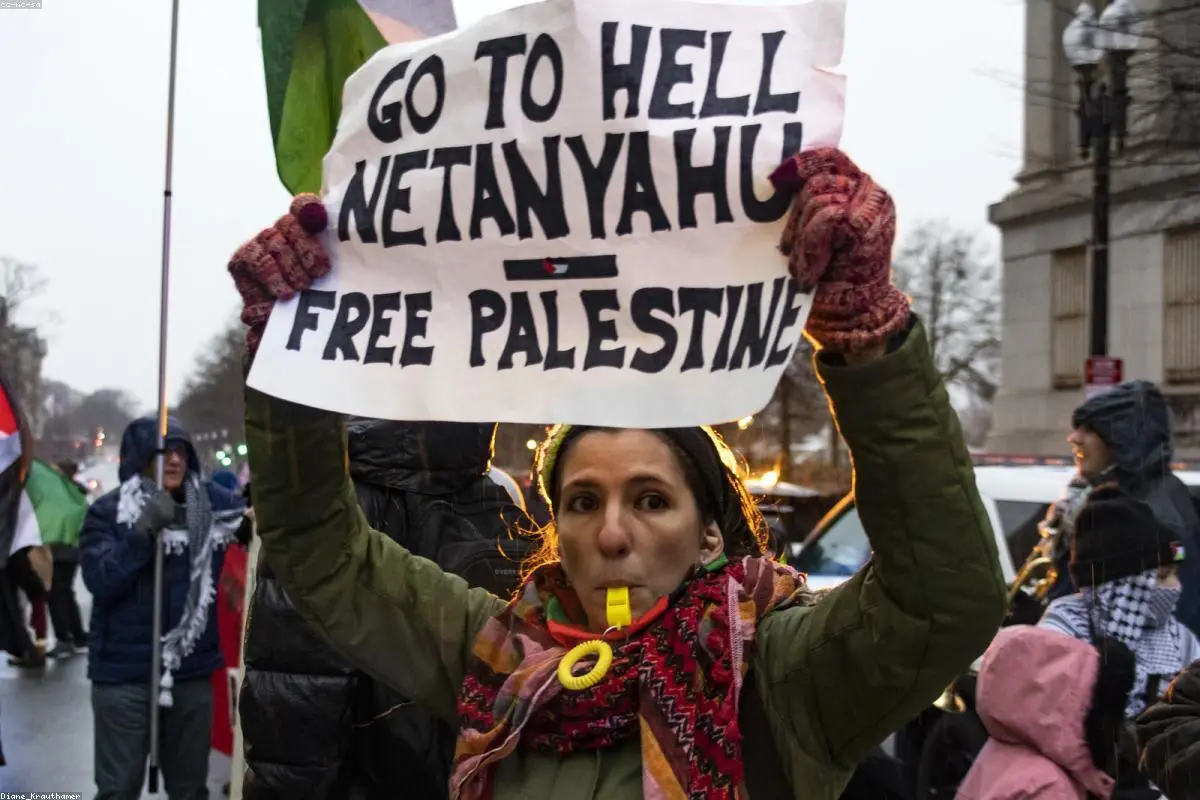
A Surprising Standstill in Jerusalem
The diplomatic relationship between Benjamin Netanyahu and Donald Trump has long been characterized by a mix of public camaraderie and shared political interests. However, that bond faced a significant stress test this week. Prime Minister Netanyahu has officially declined to endorse a sweeping 15-point peace and reconstruction plan for Gaza proposed by the Trump camp, signaling that even the most traditionally pro-Israel voices in Washington may find it difficult to align with Israel's current wartime objectives.
The rejection comes at a critical juncture. As the conflict in Gaza continues to reshape the geopolitical landscape of the Middle East, the question of "the day after" has become a point of intense friction. While the Biden administration has focused on a pathway toward a two-state solution, the Trump proposal attempted to bridge the gap with a business-forward, security-heavy framework. Yet, for the Israeli cabinet, the plan’s requirements for regional concessions proved to be a bridge too far.
The 15-Point Framework: Security vs. Sovereignty
The proposed plan, which was initially outlined in reports by the BBC, aimed to treat Gaza not just as a security challenge, but as a massive regional infrastructure project. The 15 points reportedly included:
- International Oversight: The establishment of a transitional governing council comprised of representatives from the UAE, Saudi Arabia, and Egypt.
- The Philadelphi Corridor: A gradual handover of the strategic border zone to a high-tech, multinational monitoring force.
- Economic Zones: The creation of "special investment hubs" to incentivize Palestinian cooperation through job creation.
- Demilitarization: A total surrender of heavy weaponry by all factions within Gaza, overseen by a third-party contractor.
To many observers in the International community, the plan looked like an extension of the Abraham Accords—transactional, pragmatic, and focused on economic normalization. However, Netanyahu’s office argued that the plan didn't go far enough in guaranteeing Israeli military freedom of movement within the strip, a non-negotiable tenet of his current security doctrine.
Why Netanyahu Walked Away
Netanyahu's refusal isn't just about the specific bullet points of a document; it’s about the domestic political tightrope he is currently walking. His right-wing coalition partners have been vocal about their opposition to any plan that involves ceding security control to international bodies or Arab neighbors. For Netanyahu, accepting the Trump plan would have likely triggered a collapse of his government from within.
Furthermore, there is the issue of "Total Victory." The Prime Minister has consistently messaged to the Israeli public that the war will only end when Hamas is completely eradicated as both a military and governing entity. The Trump plan, by proposing a transitional council that might include civil servants from the previous administration, was viewed by some in the Likud party as an unacceptable compromise.
It’s also a matter of timing. By rejecting the plan now, Netanyahu keeps his options open as the U.S. election season heats up. There is a prevailing sense in Jerusalem that waiting for a more definitive political shift in Washington might yield a plan that focuses even more heavily on Israeli security interests without the burden of regional oversight.
The Shifting Dynamic of U.S.-Israel Relations
This development marks a fascinating departure from the previous Trump-Netanyahu era. During his presidency, Donald Trump delivered on several of Israel’s long-standing wishes, including the relocation of the U.S. embassy to Jerusalem and the recognition of sovereignty over the Golan Heights. This 15-point plan, however, suggests that a second Trump term might not be a simple rubber stamp for Israeli policy.
Instead, the plan reveals a "Trumpian" desire to solve the problem quickly so the U.S. can focus on other global priorities. The emphasis on Arab state involvement suggests that Trump’s advisors believe the only way to stabilize the region is through a collective security pact—something Netanyahu remains skeptical of if it limits Israel’s autonomy. This friction suggests that the future of the Middle East will be shaped not just by military outcomes, but by a high-stakes chess match between allies who have very different definitions of success.
Looking Ahead: A Region in Limbo
The rejection of this plan leaves the international community in a familiar state of uncertainty. Without a clear roadmap for Gaza’s governance, the risk of a power vacuum or a perpetual state of low-level insurgency remains high. The International community is watching closely to see if a middle ground can be found, but for now, the stalemate persists.
As the humanitarian situation in Gaza continues to draw global scrutiny, the pressure on Netanyahu to provide a viable alternative to the Trump plan—or the Biden plan—will only intensify. For the residents of the region, the diplomatic deadlock in high-rise offices in Jerusalem and Florida feels worlds away from the daily realities on the ground. Whether this rejection leads to a new, better deal or a deeper isolation for the Israeli government remains the defining question of the year.