The Invisible Crisis on the Roof of the World
In the age of the smartphone, we’ve grown accustomed to seeing natural disasters unfold in real-time. Whether it is a hurricane in Florida or a wildfire in the Mediterranean, the International community usually has a front-row seat to the chaos via social media. However, a different kind of phenomenon is occurring in the high-altitude regions of Tibet: a major climate disaster is happening, but the digital evidence is being scrubbed as fast as it can be uploaded.
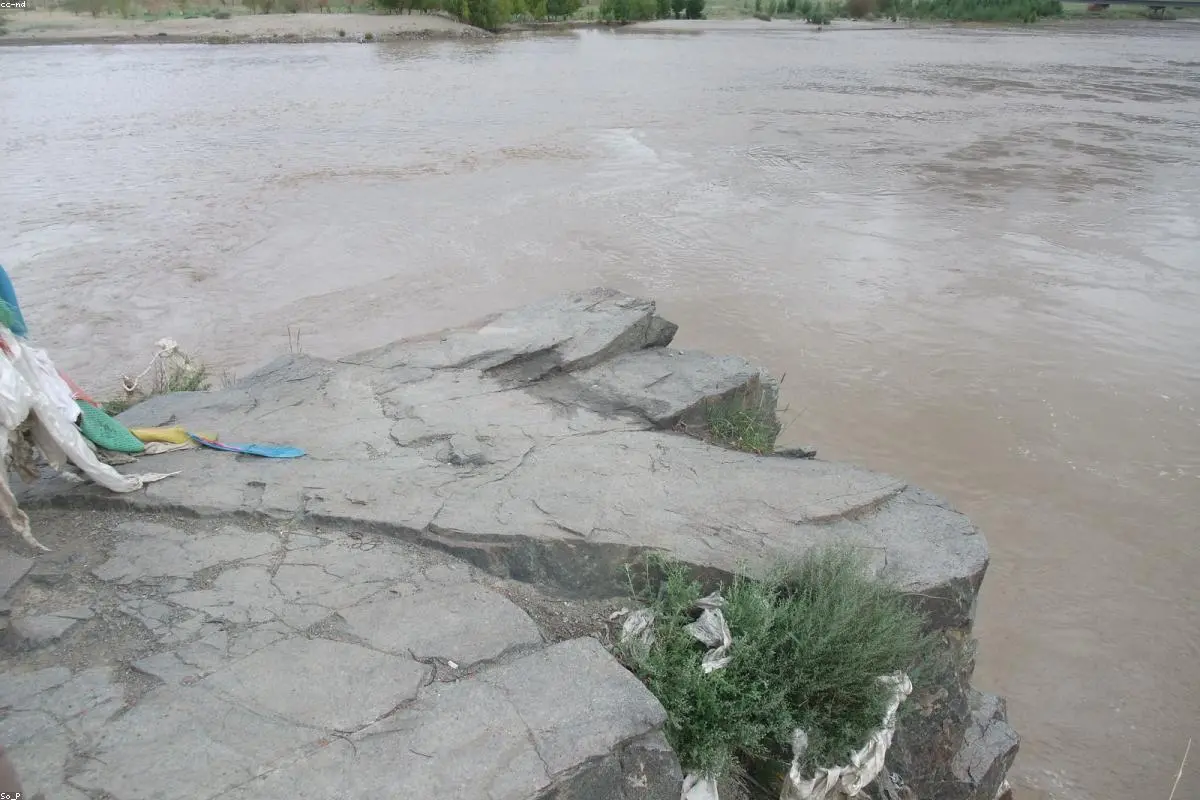
Recent reports and leaked snippets of video suggest that massive flooding has decimated parts of the Tibetan Plateau, particularly in areas like Nyingchi. Torrents of mud and water are seen sweeping away infrastructure and engulfing residential blocks. Yet, if you were to browse the major news outlets within mainland China, you would find almost no mention of the catastrophe. This information vacuum has left families outside the region—and the global public—wondering about the fate of those caught in the path of the water.
A Narrative Controlled by the State
The disparity between what is happening on the ground and what is being reported is stark. According to a recent analysis by the BBC, footage of the floods is being systematically suppressed. In many cases, videos shared on platforms like Douyin or WeChat are removed within hours, replaced by error messages or generic state-approved content.
This isn't just about avoiding bad press; it's a strategic move to maintain the image of stability in one of China’s most politically sensitive regions. In the eyes of the censors, admitting to a large-scale humanitarian crisis in Tibet could invite unwanted international scrutiny or highlight potential failures in local infrastructure and disaster preparedness. By keeping the victims nameless and the damage unquantified, the authorities maintain a monopoly on the narrative.
The Vulnerability of the 'Third Pole'
To understand why these floods are so significant, one must look at the geography. Tibet is often referred to as the 'Third Pole' because it holds the largest reserve of freshwater outside the North and South Poles. It is also warming at a rate significantly faster than the global average. This rapid warming leads to unpredictable weather patterns and the melting of permafrost, which makes the terrain increasingly unstable.
When heavy rains hit these regions, the water doesn't just sit; it triggers landslides and 'glacial lake outburst floods' (GLOFs). These are terrifyingly fast and destructive events. However, because the region is so isolated and under such heavy surveillance, climate scientists struggle to get the data they need to predict future disasters. The lack of transparency isn't just a political issue; it’s an environmental one that affects the safety of millions downstream.
The Human Cost of Information Blackouts
The most tragic element of this censorship is the impact on the victims. When a disaster is hidden, so is the need for aid. Without public acknowledgment, there is no pressure for large-scale mobilization of resources or international humanitarian assistance. In more integrated parts of the world, a disaster of this scale would trigger a massive digital response—fundraisers, volunteer coordination, and missing persons lists.
In Tibet, there is only silence. We know little about the casualties because there are no official tolls being released. Families in the diaspora report losing contact with relatives, only to be met with a wall of silence when they try to seek information through official channels. This isolation compounds the trauma of the disaster, leaving survivors to navigate the wreckage without the support of the wider world.
A Pattern of Suppression
This incident is part of a broader trend within International affairs where information control is used as a tool of governance. From the management of the COVID-19 pandemic to previous environmental disasters in Xinjiang or Inner Mongolia, the playbook remains the same: minimize, censor, and redirect. By the time the world hears about the true scale of the damage, the news cycle has often moved on, and the chance for meaningful intervention has passed.
While the Chinese government often highlights its poverty alleviation efforts in Tibet, the refusal to document these disasters suggests a fragility in their approach. If the goal is truly the welfare of the people, transparency should be the first step in disaster management. Instead, the focus remains on 'social harmony'—a euphemism for the absence of dissent or bad news.
Looking Ahead: The Need for Accountability
As the climate crisis intensifies, these events will only become more frequent. The Tibetan Plateau is a vital organ of the Earth's climate system, and what happens there has ramifications far beyond its borders. The international community must continue to push for transparency, not just for the sake of political accountability, but for the fundamental human right to be seen and helped during a catastrophe.
The footage that does manage to leak out serves as a haunting reminder of the resilience of the people living there—and the lengths to which some will go to ensure their stories aren't entirely washed away by the tide of censorship. Until the gates of information are opened, the victims of Tibet’s floods will remain among the many 'hidden' casualties of our modern, yet deeply divided, digital age.